



Nefertari Temple Statue Ramses II
"Statua Ramses II and Nefertari Temple Statue" (Statua Ramses II Tempio Nefertari) is a giant rock carving group in the New Kingdom period of ancient Egypt (about the 13th century BC), located in Aswan Province in southern Egypt Inside the temple, it is a monumental building built by the ancient Egyptian pharaoh Ramses II for his favorite queen Nefertari. With its grand scale, exquisite craftsmanship and profound religious and political connotation, this group of statues has become one of the most representative artistic treasures of ancient Egyptian civilization.

The kneeling statue of Egyptian Queen Hatshepsut
Hatshepsut (reigned from 1503 BC to 1482 BC). The queen of the 18th Dynasty of Egypt, who reigned for 21 years, passed away, and after her death, Syria and Palestine declared independence (later conquered by Thutmose III). After Thutmose III began to govern alone, he did not immediately begin to eliminate the traces of the governance of Hatshepsut. The related retaliatory actions were only launched in the late period of his reign, when the pharaoh ordered the destruction of many carvings engraved with her name and image.

The Egyptian statue of Horus from the Roman period, known as the "Horus Sitting Statue"
This artifact, named the "Horus Sitting Statue," is a limestone sculpture depicting Horus dressed in Roman military uniform. It was made around the 1st to 2nd century AD and is currently housed in the British Museum. The arm of the sculpture has been lost, and there was originally a crown on top of the head, which may have been made of other materials. The details of the feathers on the falcon's head are finely crafted, and the eyes are humanoid with the pupils depicted. The feathers of the falcon god also serve as scales for the carapace, with its sleeves ending below the shoulders.

Popular Models
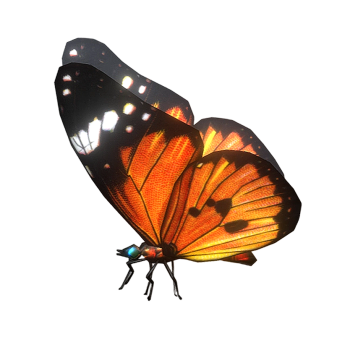
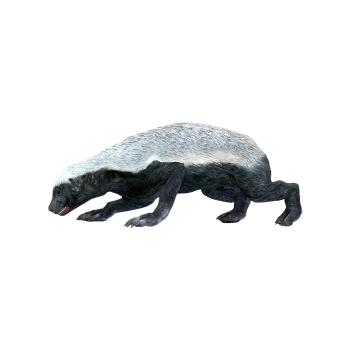
Honey Badger (3D animated model)
192 View
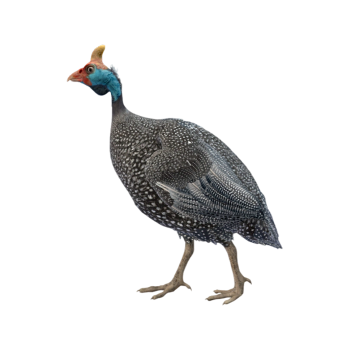
Guinea fowl (3D animated model)
163 View
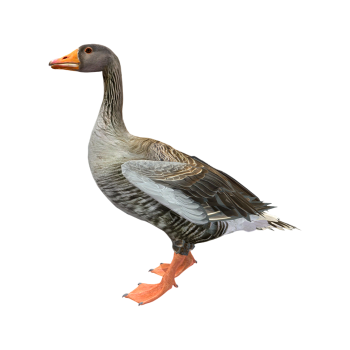
Wild Goose (3D animated model)
185 View
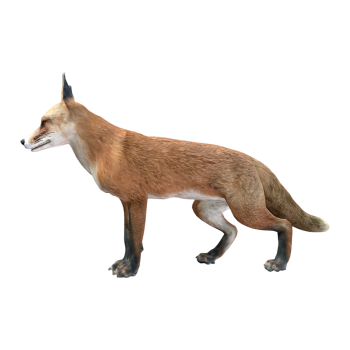
Red Fox (3D animated model)
153 View
Random Model

Truck tire 185-65 R15
1170 View


Rakvere Castle, Estonia
804 View


Western blue flower
667 View


Gecko model 3D animation
974 View